

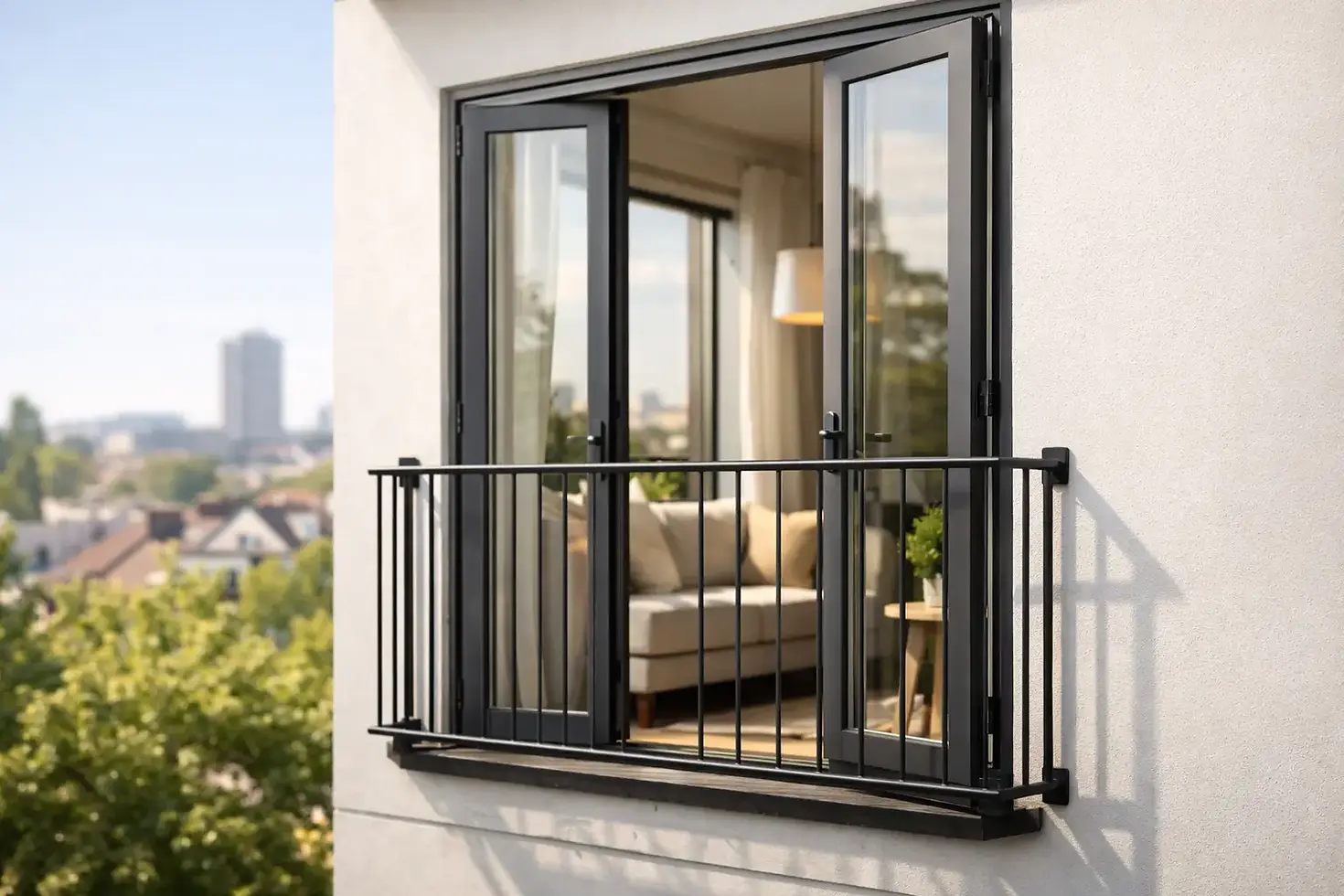
Are Juliet Balconies Worth It?
If you are weighing up new doors, a rear elevation upgrade or a loft conversion, one question usually comes up quite quickly - are Juliet balconies worth it? For many UK properties, the answer is yes, but only if you are clear on what you want them to do. A Juliet balcony will not give you standing space like a full balcony, but it can transform the way a room feels, improve the look of the exterior and add a practical safety barrier for full-height openings.
Are Juliet balconies worth it for UK homes?
In straightforward terms, Juliet balconies are often worth it when you want more light, better ventilation and a cleaner modern finish without the cost, structural work and planning complications that can come with a projecting balcony. They are especially popular on upper-floor bedrooms, loft conversions, new-build plots and rear extensions where homeowners want large opening doors but still need compliant protection at height.
That said, they are not automatically the right choice for every project. If your main goal is usable outdoor space, a Juliet balcony will not deliver that. If your priority is visual impact, airflow and maximising a view, they make far more sense.
What a Juliet balcony actually gives you
The biggest benefit is the feeling of space. Full-height glazed doors with a Juliet balcony in front create a much more open result than a standard window. In loft rooms and upper-storey bedrooms, that can make a dramatic difference. The room feels brighter, less boxed in and more connected to the outside.
Ventilation is another strong point. Opening a pair of French doors or sliding doors gives you far more air movement than a smaller casement window. During warmer months, that can make upstairs rooms more comfortable and more usable.
There is also the external appearance to consider. A well-made glass Juliet balcony gives a property a sharper, more contemporary look. On modern homes this is obvious, but it also works well on many traditional properties where the aim is to modernise the rear elevation without changing the whole character of the building.
From a safety point of view, the balcony acts as a protective barrier across the opening. That means you can install full-height doors on upper levels while still meeting the practical requirement for edge protection.
Where the value is strongest
Juliet balconies tend to offer the best value in projects where you are already changing the opening. For example, if you are converting an existing window into doors as part of a loft conversion or extension, adding the balcony at the same time is usually a sensible move. The opening is already being formed, trades are already on site and the visual improvement is immediate.
They also make sense for developers and builders who want to add a premium finish without the cost and detailing of a full cantilevered or platform balcony. On many schemes, a glass Juliet system helps create the right look for saleability while keeping build complexity under control.
For homeowners, the value is often less about direct square footage and more about perceived quality. Better light, larger glazed openings and cleaner sightlines make a room feel more desirable. That can matter when you are improving the home for your own use, and it can also matter when it comes time to sell.
Cost versus benefit
This is where the real decision sits. Juliet balconies are cheaper than full balconies, but they are not just decorative add-ons. A properly made system includes structural fixing, safety-compliant glass or stainless steel components and a finish that needs to stand up to UK weather.
If you choose a quality glass Juliet balcony, you are paying for durability, clean appearance and low maintenance. Cheaper systems can look acceptable at first, but weak fittings, poor finishes or lower-grade materials often show their age quickly, especially on exposed elevations or coastal sites.
The right way to look at cost is not whether a Juliet balcony is the cheapest option available. It is whether it gives you enough practical and visual return for the spend. In many cases, it does. You get a larger, brighter opening and a premium finish without the cost of creating usable balcony space with all the extra structural work that involves.
The trade-offs you should be honest about
Juliet balconies do have limits, and it is better to be clear about them before you buy.
The first is obvious - you cannot step out onto them. If you want somewhere to sit with a coffee or place outdoor furniture, you need a full balcony or terrace. A Juliet is about opening up the room, not creating external floor area.
The second is that not every property suits every style. A frameless or glass-heavy system can look excellent on a modern extension, but you still need to think about the wider building. The proportions of the opening, the frame colour, the reveal depth and the balcony fixing method all affect the final result.
The third is specification. Not all systems are equal. Glass type, fixing detail, span, stainless steel grade and installation quality all matter. This is particularly important for trade buyers and developers who need consistency across multiple plots or elevations.
Glass or stainless steel - which makes more sense?
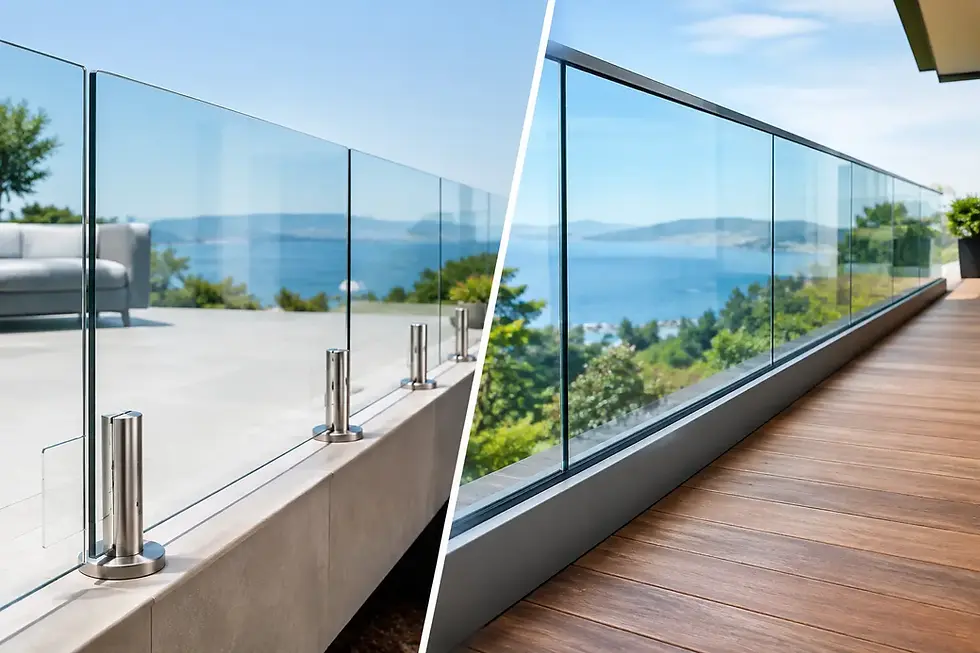
For many buyers, glass Juliet balconies are the strongest option because they keep the view clear and bring in the maximum amount of light. If the opening looks over a garden, countryside or a strong rear aspect, glass is usually the better visual choice. It also suits contemporary projects where clean lines are a priority.
Stainless steel options still have a place, especially where the budget is tighter or where the design calls for a more defined frame. They can be durable and practical, but they do not give the same uninterrupted look as glass.
Material quality matters here. Exterior-grade components need to be built for long-term performance, not just first impressions. That is why buyers should pay attention to the specification rather than looking only at headline price.
Are Juliet balconies worth it for loft conversions?
This is one of the clearest yes answers. In loft conversions, space is often restricted by the roofline, and natural light becomes far more valuable. Replacing a smaller upper window or adding doors with a Juliet balcony can make the new room feel bigger, brighter and more premium.
It is also one of the neatest ways to improve ventilation at the top of the house. Warm air builds up in loft spaces, so having a larger opening is a real practical gain, not just a visual one.
For this type of project, the balcony often earns its keep because the room itself is already a significant investment. The extra spend helps the finished space look and feel complete rather than compromised.
Planning, building regulations and installation
One reason Juliet balconies appeal to so many UK homeowners is that they are generally simpler than full balconies from a structural point of view. That does not mean they are a fit-and-forget purchase. Fixings, loadings, glass specification and guarding requirements all need to be considered properly.
Planning requirements can vary depending on the property and location, particularly on listed buildings or where appearance is tightly controlled. Building regulations and safe installation are the bigger constant. A balcony system needs to be suitable for the opening and installed correctly.
That is why proper technical backup matters. Whether you are a homeowner wanting a supply-and-fit package or a trade customer sourcing a system for installation, getting the dimensions, fixing method and specification right from the start saves time and cost later.
So, are Juliet balconies worth it?
If you want usable outside space, no. If you want more light, wider openings, better airflow, modern kerb appeal and a safer way to use full-height doors upstairs, then yes, they are often very much worth it.
The strongest projects are the ones where the balcony is treated as part of the opening design, not as an afterthought. Get the proportions right, choose quality materials and make sure the system is built for the property. That is when a Juliet balcony stops being a nice extra and starts looking like the obvious choice.
For homeowners, builders and developers across the UK, the best next step is a clear quote based on the actual opening, the desired finish and whether you need supply only or a full fitted service. A well-specified Juliet balcony should look right, perform properly and hold its value long after the job is finished.


Comments